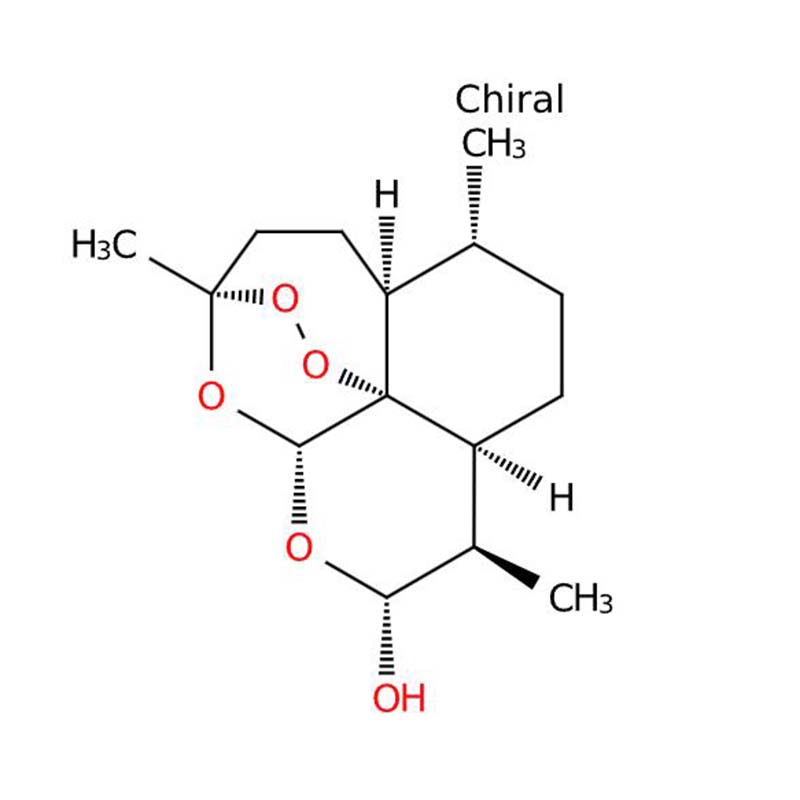

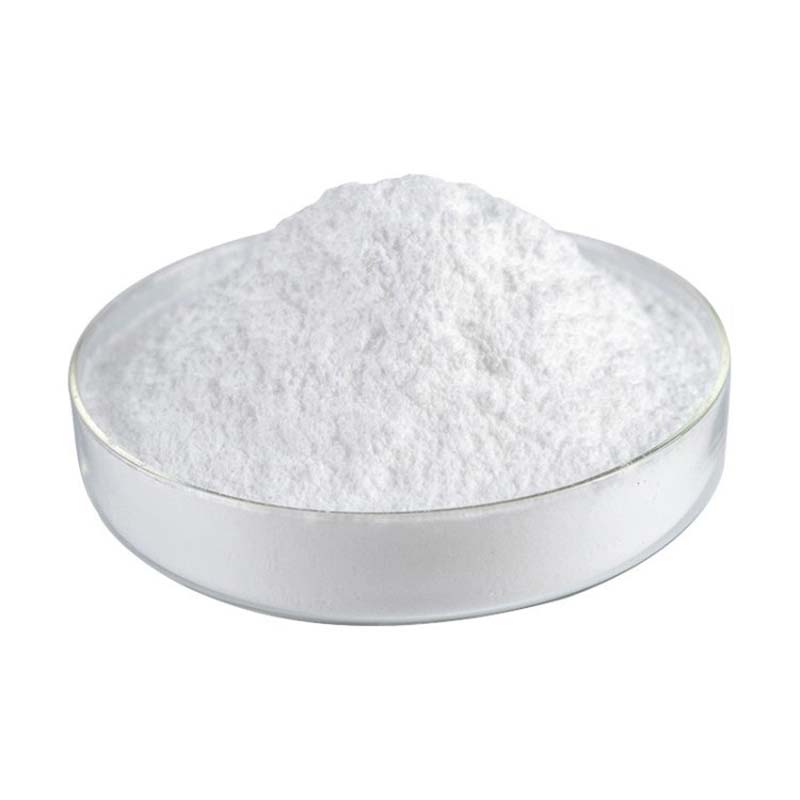
alpha-DihydroartemisininCAS:81496-81-3
ACT exhibits robust inhibitory activity against asexual-stage Plasmodium parasites, encompassing both chloroquine-resistant and piperaquine-resistant Plasmodium falciparum strains.
This therapeutic regimen boasts superior gastrointestinal absorption capacity, with peak plasma concentrations reached as early as 1.33 hours post-oral administration.
It has been clinically approved for the treatment of all malaria subtypes, with particular efficacy in managing life-threatening manifestations such as cerebral malaria and severe drug-resistant malaria variants.
Dihydroartemisinin exerts potent therapeutic effects on the asexual erythrocytic stage of Plasmodium parasites. It not only effectively alleviates clinical symptoms of malaria but also achieves efficient clearance of various Plasmodium species during their asexual reproductive phases.
Notably, this agent retains significant activity against Plasmodium falciparum strains that have developed resistance to chloroquine and piperaquine, while featuring a clinically favorable safety profile.
Animal reproductive toxicity studies reveal that gestational exposure to dihydroartemisinin in murine models may lead to an increased rate of fetal resorption. However, consistent with previous findings, no teratogenic effects were observed in the reported research.
Parameters
Melting point | 142-144°C |
Boiling point | 375.6±42.0 °C(Predicted) |
density | 1.24±0.1 g/cm3(Predicted) |
storage temp. | 2-8°C |
solubility | Chloroform (Slightly), DMSO (Slightly), Ethyl Acetate (Slightly), Methanol (Slightly) |
form | Solid |
pka | 12.61±0.70(Predicted) |
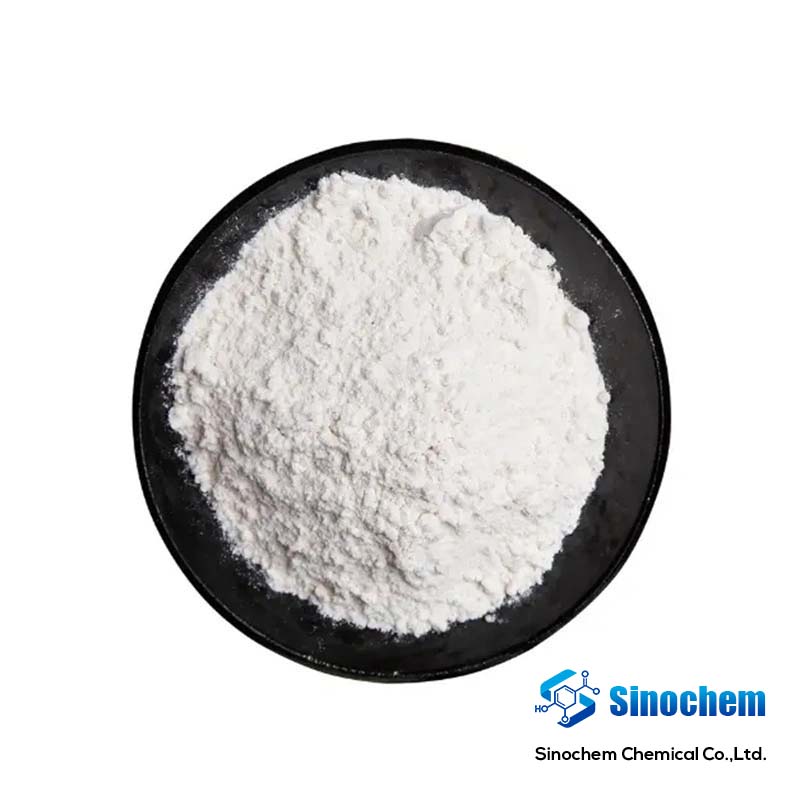
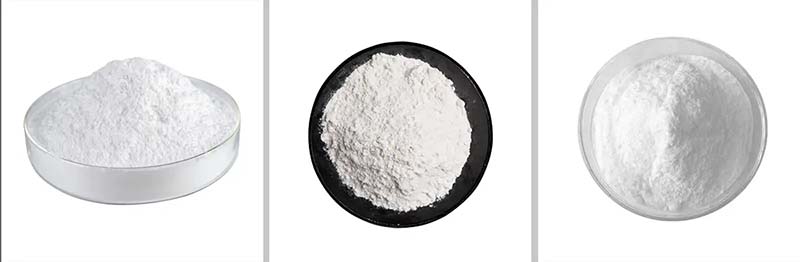
color | White to Off-White |
Safety Information | |
alpha-Dihydroartemisinin Usage And Synthesis | |
Chemical Properties | White needle like crystal |
Uses | antimalarial, antiinflammatory |
Definition | ChEBI: Dihydroartemisinin (DHA) is an artemisinin derivative. |
target | Antifection |

This anti-malarial compound boasts excellent oral bioavailability. When administered orally at a dosage of 2 mg/kg, it reaches a maximum plasma concentration (Cmax) of 0.71 μg/ml, with the time to peak concentration (tmax) recorded at 1.33 hours.
Clinically, dihydroartemisinin is indicated for the treatment of all malaria subtypes. It proves especially valuable in the emergency management of critical conditions such as cerebral malaria, as well as severe malaria cases caused by Plasmodium falciparum strains resistant to chloroquine or piperaquine.